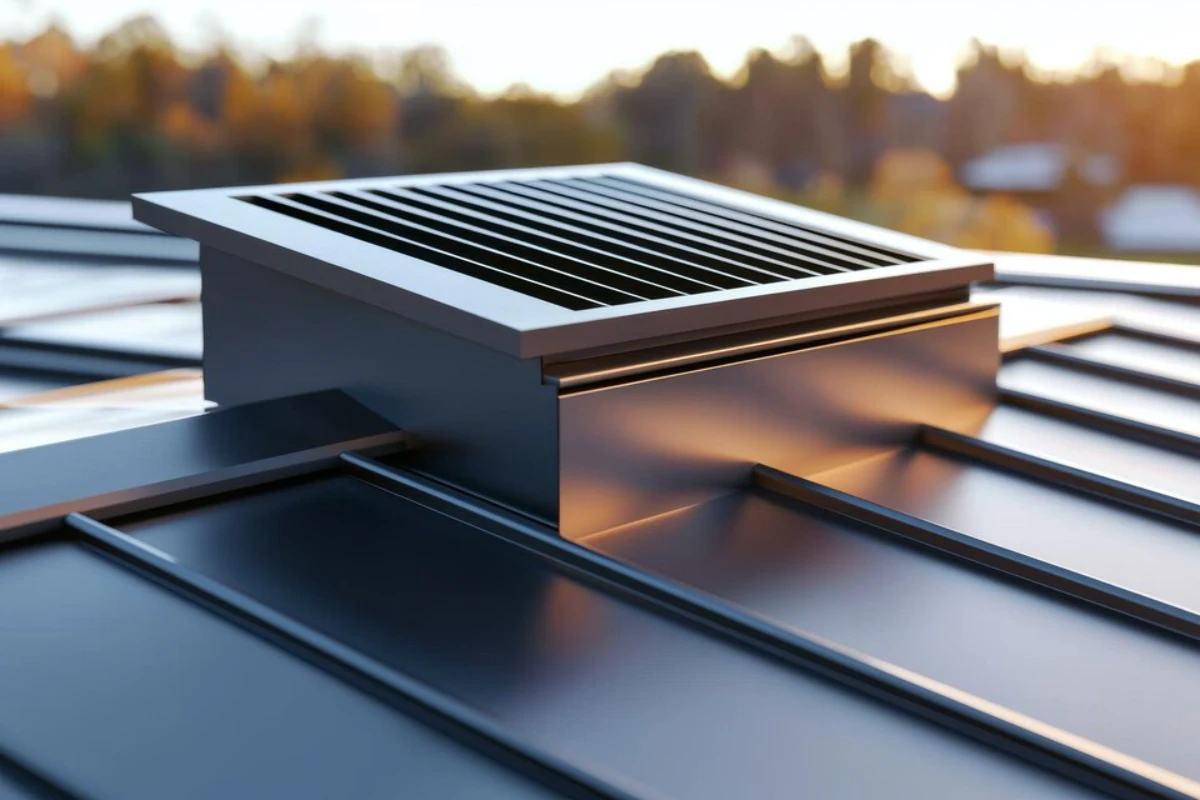
Addressing Common Concerns
A few common concerns come up when Brooklyn homeowners consider metal roofing, and addressing them honestly helps with the decision. Here is the truth about several.
Noise
A common concern is that metal roofs are noisy, but a properly installed metal roof on a home, over solid decking with underlayment and attic insulation, is not meaningfully louder than other roofing in the rain. The drumming reputation comes from bare metal over open framing, like a barn, not a finished home. So the noise concern is largely unfounded for a proper residential roof. It is a myth more than a real drawback.
Denting
Another concern is denting from hail, but quality metal roofing, especially in a heavier gauge or impact-resistant option, resists hail well, often better than other materials. While severe hail can affect any roof, metal is generally durable against it. The denting fear is overstated for a quality roof, and choosing an appropriate gauge addresses it. It is a manageable consideration rather than a serious problem.
Lightning
Some worry that metal attracts lightning, which is not the case, since a metal roof does not make a home more likely to be struck, and metal being non-combustible would not ignite if a strike occurred. Lightning is drawn by height and other factors, not by a metal roof. This concern does not hold up. It is a misconception rather than a genuine drawback of metal roofing.
Rust
A concern about rust reflects old or bare metal rather than modern roofing, since today's metal roofs are designed to resist corrosion, with steel carrying protective coatings like Galvalume and aluminum and copper resisting corrosion naturally. Quality modern metal does not rust away as the concern suggests. So rust is largely a non-issue for quality contemporary metal roofing. It reflects outdated impressions rather than current materials.
The Pattern
The pattern with these concerns is that most are based on outdated impressions or misleading comparisons rather than how quality metal performs on a home, and they tend to dissolve under honest examination. Recognizing this frees a homeowner to weigh metal on its genuine pros and cons, with upfront cost as the main real trade-off. The common concerns are largely unfounded. The real considerations are fewer than the myths suggest.
Common Concerns, in Short
Common concerns about noise, denting, lightning, and rust largely do not hold up for quality metal roofing properly installed, since they reflect myths or outdated impressions. This leaves upfront cost as the main genuine trade-off to weigh.
It also helps Brooklyn homeowners to recognize that several of the concerns commonly raised about metal roofing are better understood as myths or outdated impressions than as genuine drawbacks, which is worth knowing so that the real decision can focus on the factors that actually matter. The noise concern, the idea that a metal roof will be loud in the rain, comes from the experience of bare metal over open framing on structures like barns, and it simply does not apply to a metal roof properly installed on a finished home over solid decking with underlayment and an insulated attic, which is not meaningfully louder than any other roof. The denting concern is overstated for quality metal roofing, since a heavier gauge or an impact-resistant product resists hail well, often better than other materials, and choosing the right gauge for a hail-prone area addresses it. The lightning concern is simply a misconception, as a metal roof does not make a home more likely to be struck and, being non-combustible, would not ignite if a strike occurred. And the rust concern reflects old or bare metal rather than modern roofing, since today's metal roofs are specifically designed to resist corrosion, with steel carrying protective coatings and aluminum and copper resisting corrosion naturally. When these myths are set aside, the genuine considerations for choosing metal come down to a much shorter and more honest list, principally the higher upfront cost weighed against the long-term value, plus practical factors like your time horizon, budget, climate, and home. A contractor who gives straight answers about all of this, separating the real trade-offs from the myths, helps a homeowner make a decision based on facts.
One point worth making clear for Brooklyn homeowners is that an honest discussion of metal roofing should present both its genuine strengths and its real trade-offs, because the goal is a sound decision rather than a sale. On the strengths side, metal's advantages are substantial and well established, a lifespan typically two to three times that of asphalt, which for a long-term owner can mean the roof never needs replacing while they own the home, strong resistance to wind, fire, and weather that means fewer problems and claims over the years, very low maintenance compared to materials that wear and need ongoing attention, energy efficiency from reflecting solar heat rather than absorbing it, and resale appeal from being a durable, attractive, long-lasting roof. These are real and they are the reason metal roofing has grown in popularity. On the trade-off side, the single most significant and genuine drawback is the higher upfront cost, since metal costs more to install than asphalt, often a couple of times the price, and that initial investment is the main reason a homeowner on a tight budget or planning a short stay might reasonably choose asphalt instead. The other considerations that get raised, the need for experienced installation, the denting potential of softer metals or lighter gauges in severe hail, and the expansion and detailing characteristics of metal, are real but largely manageable through choosing a quality roof, an appropriate gauge, and an experienced installer. The honest bottom line is that metal's benefits are substantial and its main genuine cost is the upfront investment, so the decision comes down to weighing that investment against the long-term value for your particular situation, plans, and budget.
It also helps Brooklyn homeowners to recognize that several of the concerns commonly raised about metal roofing are better understood as myths or outdated impressions than as genuine drawbacks, which is worth knowing so that the real decision can focus on the factors that actually matter. The noise concern, the idea that a metal roof will be loud in the rain, comes from the experience of bare metal over open framing on structures like barns, and it simply does not apply to a metal roof properly installed on a finished home over solid decking with underlayment and an insulated attic, which is not meaningfully louder than any other roof. The denting concern is overstated for quality metal roofing, since a heavier gauge or an impact-resistant product resists hail well, often better than other materials, and choosing the right gauge for a hail-prone area addresses it. The lightning concern is simply a misconception, as a metal roof does not make a home more likely to be struck and, being non-combustible, would not ignite if a strike occurred. And the rust concern reflects old or bare metal rather than modern roofing, since today's metal roofs are specifically designed to resist corrosion, with steel carrying protective coatings and aluminum and copper resisting corrosion naturally. When these myths are set aside, the genuine considerations for choosing metal come down to a much shorter and more honest list, principally the higher upfront cost weighed against the long-term value, plus practical factors like your time horizon, budget, climate, and home. A contractor who gives straight answers about all of this, separating the real trade-offs from the myths, helps a homeowner make a decision based on facts.
Get the Facts
Brooklyn Metal Roofing gives Brooklyn homeowners honest facts about metal roofing, beyond the myths, across Morgan County. Call (765) 676-3491 for a free consultation and straight answers to your concerns, so you can weigh metal on its genuine merits.